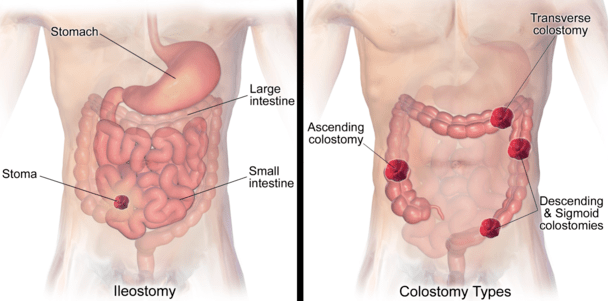
The presence of severe diseases such as ulcerative colitis or adenomatous polyposis can make it impossible for your bowel function properly. Having such a condition may necessitate you to undergo a surgical procedure involving the removal of the colon and rectum so that you may prevent further, painful complications. After the removal of those parts of the bowel, you will need to have an ostomy, which refers to an intestinal diversion to reroute the passage of waste materials.
There are three ostomy options.
Ileoanal j-pouch
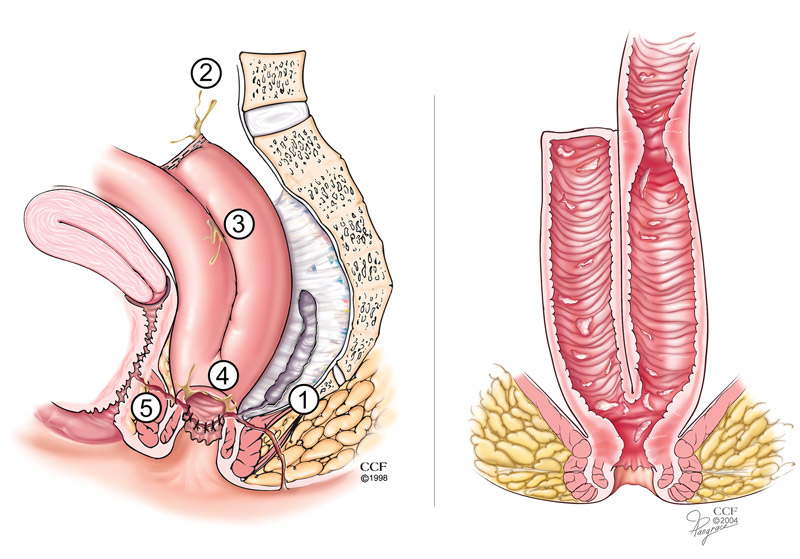
If your anal canal and a part of the rectum are still intact after the removal of the diseased part of the bowel, you may have an ileoanal j-pouch, which involves the creation of a reservoir by folding the end of the small intestine into itself. The bottom of the reservoir opens onto the anal canal to allow waste content to pass out through the anus.
The advantages of a j-pouch include the following.
- You will have some control over your bowel movements.
- You will not have to wear an external ostomy bag to manage stool evacuations.
There are some disadvantages to the j-pouch as well.
- There can be leakage, which can irritate.
- You may have to visit the toilet 6-8 times a day.
- You will not be able to defer bowel movements for more than one hour.
Brooke Ileostomy

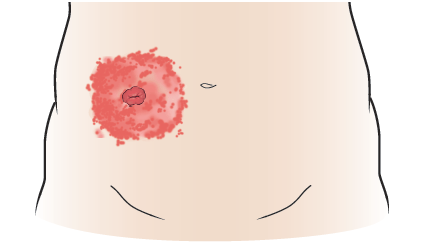
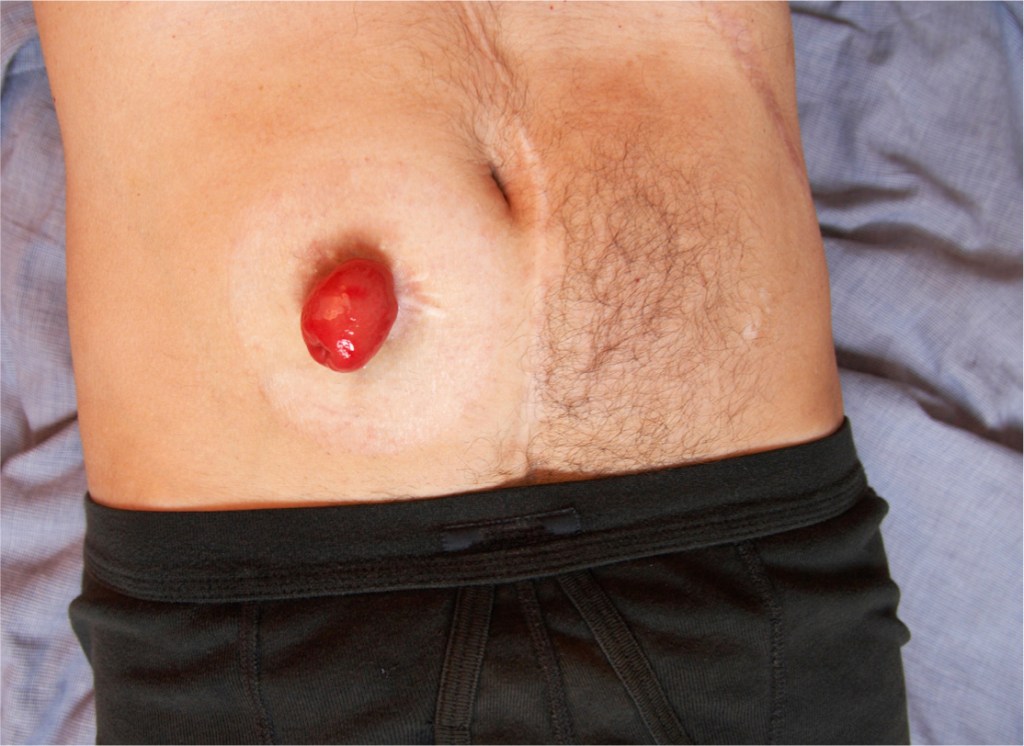
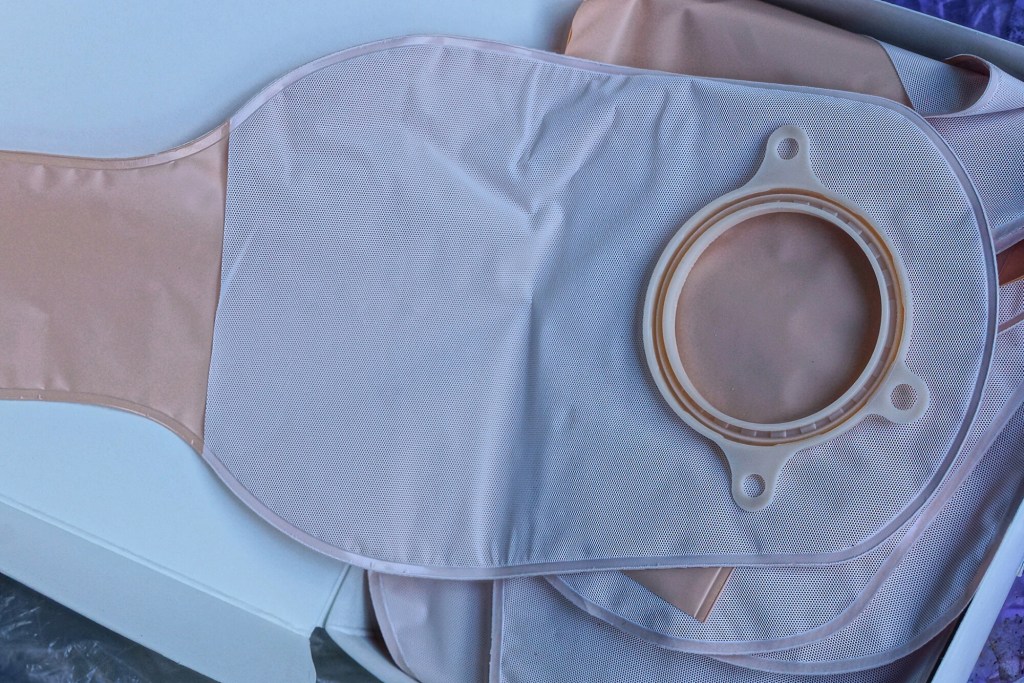
A Brooke or traditional ileostomy is old-fashioned but a tried-and-tested option that you can consider for the treatment of severe bowel conditions. The surgical procedure to create this ileostomy involves the creation of a stoma by pulling out a part of the small intestine through a cut in the belly. Because a stoma doesn’t have sphincters to help you control over when to evacuate stools, you will need to wear an ostomy bag over it to prevent leakage.
Advantages of a Brooked ileostomy include the following.
- With a bag attached snugly attached to the skin around the stoma, you will find it convenient to manage your stool evacuations.
There are some disadvantages too, and those can be overwhelming, depending on the case-to-case scenario.
- You will have no control over when to eliminate waste materials.
- You will need to wear an ostomy bag over the stoma the entire time.
- Leakage can occur underneath the skin barrier of the ostomy bag, which can be quite irritating.
- You may need to stick to some dietary changes.
- There will be a high risk of obstruction.
- The stoma might protrude.
Barnett Continent Intestinal Reservoir (BCIR)
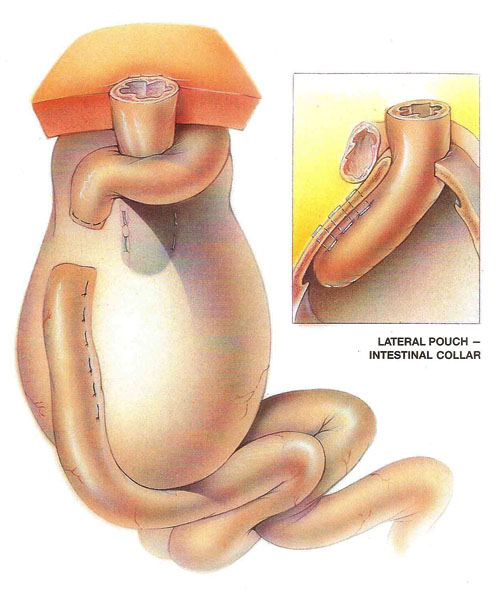
The BCIR is an internal reservoir that connects to an opening in the abdomen through a valve made of tissues from the small intestine. The surgeon will take another part of the small intestine to make a collar that will secure the valve further. The collar will consist of living tissues to make the valve self-sealing, which will prevent the leakage of waste materials. To draw waste content out, you will need to insert a catheter into the internal reservoir through the abdominal opening. By far, a BCIR is the most secure ileostomy option to consider.
The advantages of a BCIR include the following.
- It is easy to hide the flat stoma.
- The self-sealing valve prevents the stool from coming out of the opening.
- The process to empty the reservoir is an easy process.
- The patient gets complete control over when to evacuate bodily wastes.
- The number of times to evacuate bodily wastes will also be reduced.
The only disadvantage is that you are going to have to use a catheter to empty the reservoir, which will be quite manageable.

 Ostomy Care Resource