Your doctor may have to recommend an ileostomy when medication and dietary adjustments fail to address the problem related to your bowel. This procedure refers to the diversion of your small intestine towards and opening in the belly to create a stoma. This diversion bypasses the entire colon, which has been either removed or rested to treat the underlying condition.
This surgical option was first used in 1913. Modern ileostomies use the method developed in 1952. In general, there are three surgical options to create an ileostomy. All these ileostomies aim at removing waste materials after the removal of the colon and rectum.
Traditional or Brooke ileostomy
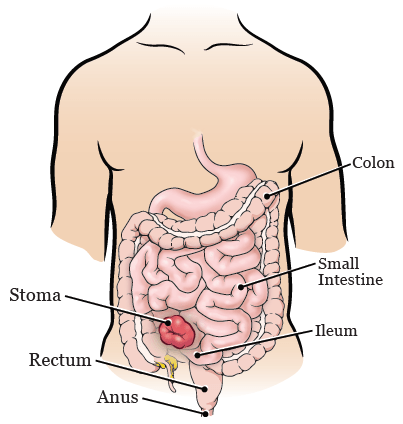
You may have to undergo this ileostomy surgery if you have a condition, such as ulcerative colitis, bowel cancer, or Crohn’s disease. The traditional method to create this ileostomy is also the most common one. After pulling the end of the small intestine out through a cut in the belly, the surgeon turns that end inside out. The turned edges are sutured to the abdominal skin. The stoma is usually placed in the lower right portion of the abdomen. You will need to wear an ostomy pouch to collect bodily wastes. The most common challenges related to the management of a Brooke ileostomy mainly include managing the ostomy pouch and taking care of the peristomal skin.
J-pouch
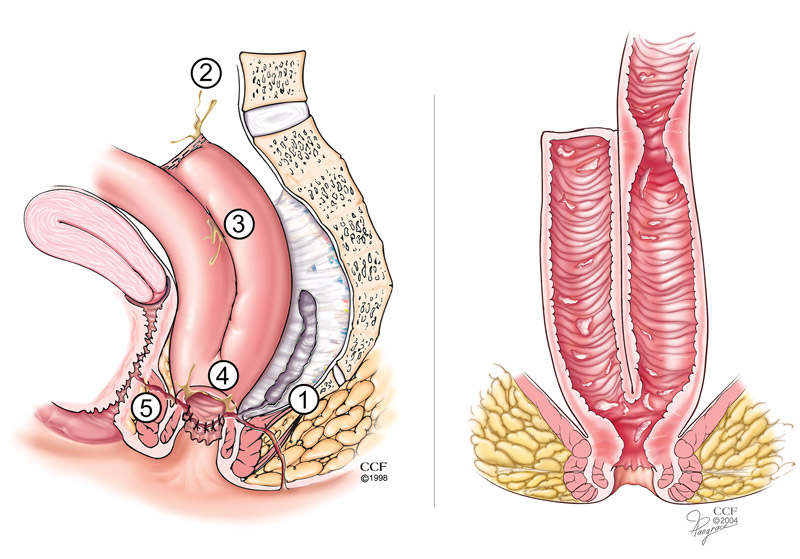
This type of ileostomy can be an option when the anus and a part of the rectum are still intact after the removal of the colon and part of the rectum. The surgeon will create a reservoir by folding the end of the small intestine into itself and combining this reservoir with the intact part of the rectum. An incision in the bottom of the reservoir will allow the passage of wastes to enter into the anal canal, from where the patient can expel waste content upon a bowel movement. The first few months after this surgery may be challenging from the perspective of the management of stool evacuations, but it gets easier with time.
Barnett Continent Intestinal Reservoir

The most ideal option that a candidate for an ileostomy can consider is the Barnett Continent Intestinal Reservoir or BCIR. This continent ileostomy refers to an internal reservoir that connects to an abdominal opening through a valve consisting of the ileum’s tissues. The valve pis further secured with a collar made of living tissues from the small intestine, ensuring that the self-sealing attribute of the valve functions properly. With this attribute, the valve doesn’t let the waste materials to leak from the internal reservoir. It gives your complete control over when to evacuate stools from the reservoir. For this purpose, you are going to have to use a catheter, which is a flexible plastic tubing to draw waste materials out. It is generally a painless process. Although the opening in the abdomen will not allow waste materials to leak out, you may still need to cover it using an opening cover to prevent the leakage of mucus.
You may discuss with your doctor regarding what option suits you well.
 Ostomy Care Resource